
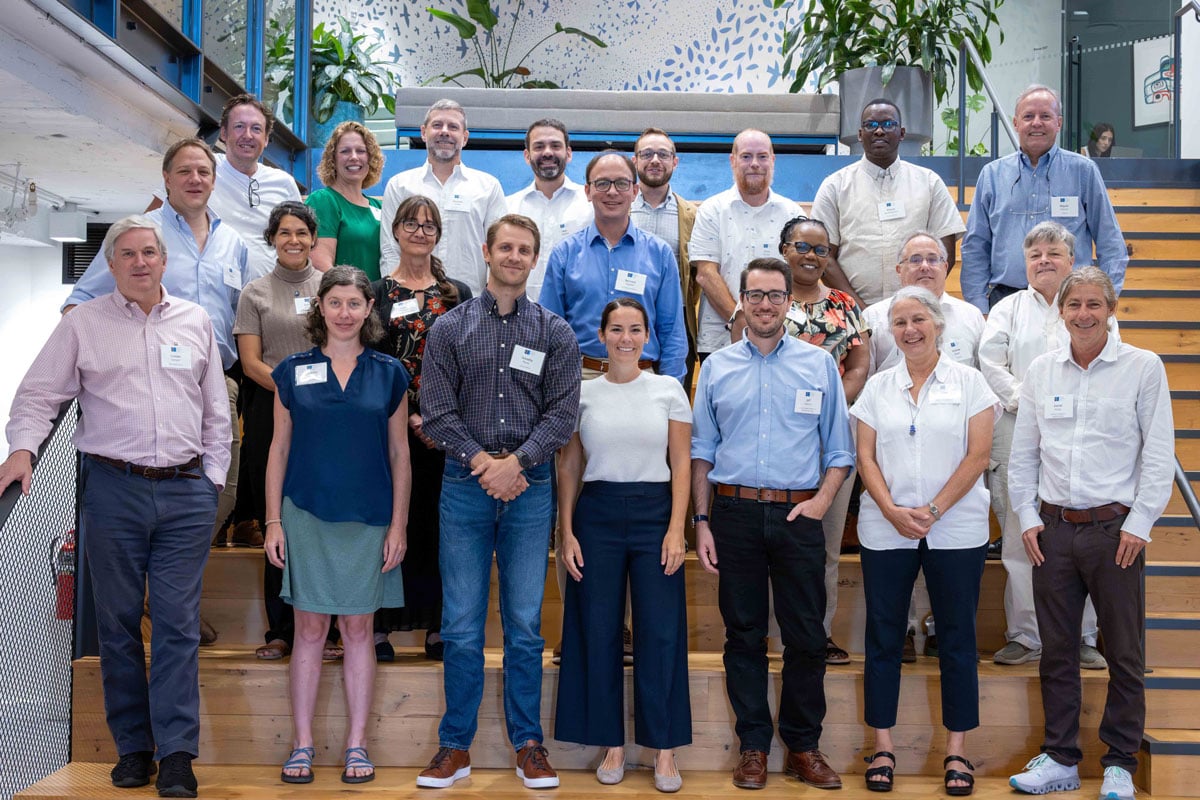
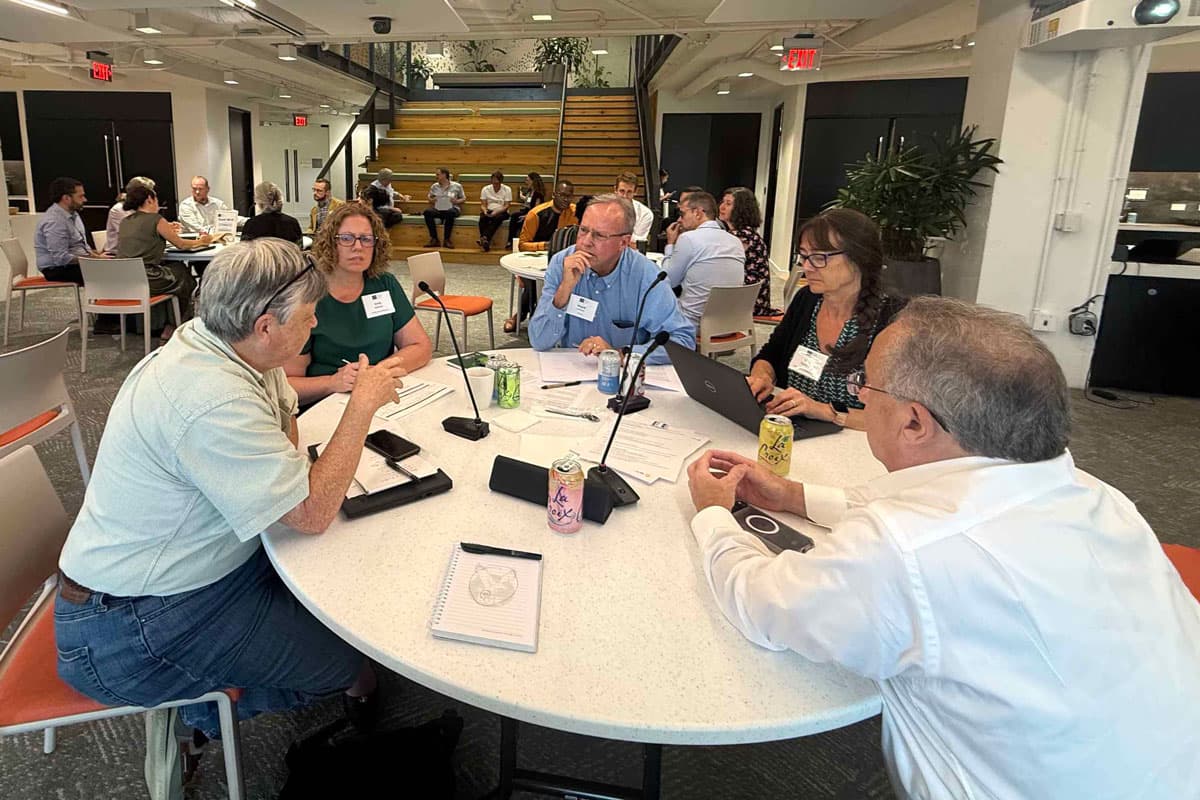
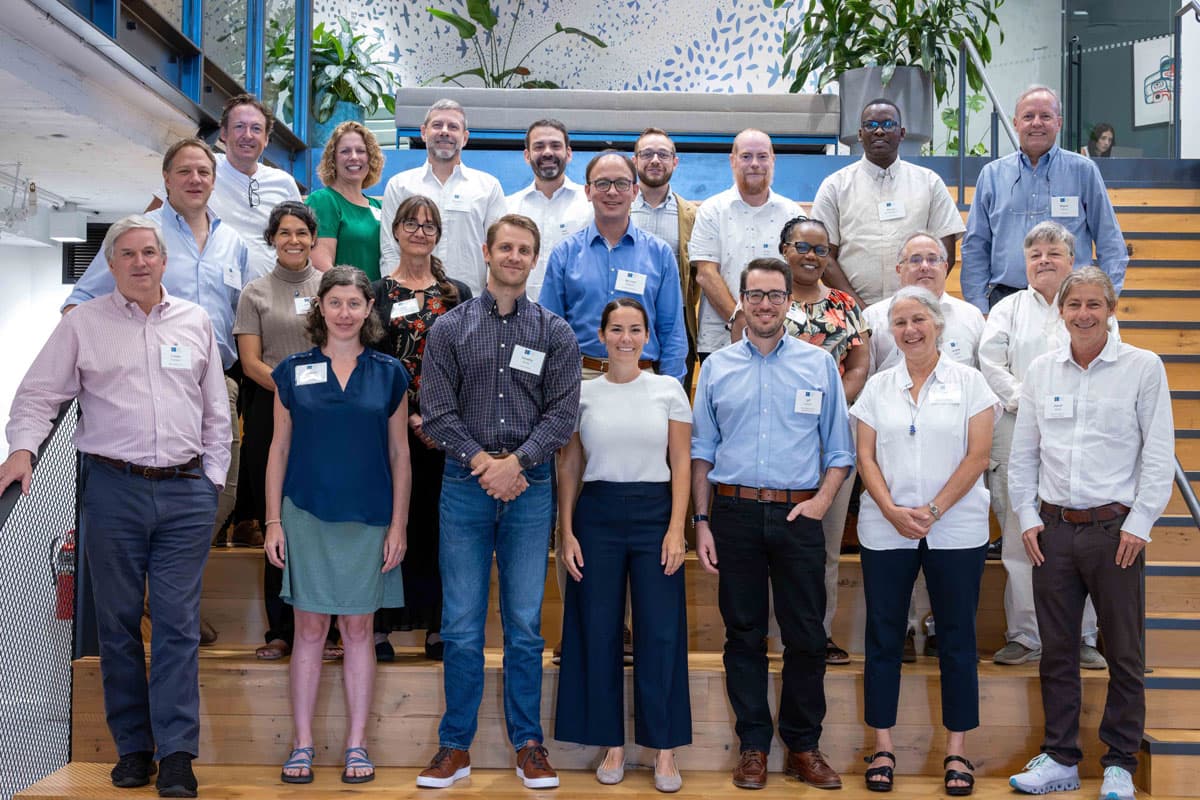
In August 2026 Prof. Bernard Slippers joined scientists, restoration practitioners and forestry innovators from around the world at a Bezos Earth Fund workshop in Washington DC. It explored how native trees could be used for restoration and development at a scale large enough to make a global difference. Most trees used in restoration have never had the sustained research and development that transformed crops and commercial forestry. Today's large-scale efforts rely on a few well-studied species such as Eucalyptus, pine and poplar, often planted far outside their native ranges. The workshop looked at how breeding, AI and genomics could speed up the improvement of many more native species. It also considered the fungal partners on tree roots, which can help trees withstand drought and other stresses. Bernard's contribution was around the tree health and climate change matters that need to be considered for such an effort. He also contributed a perspective on how AI can connect and empower networks of currently isolated centres of expertise, and their data, to reach these ambitious goals faster. This fits well with FABI's long experience in tree health, tree-microbe interactions and forest genomics.