
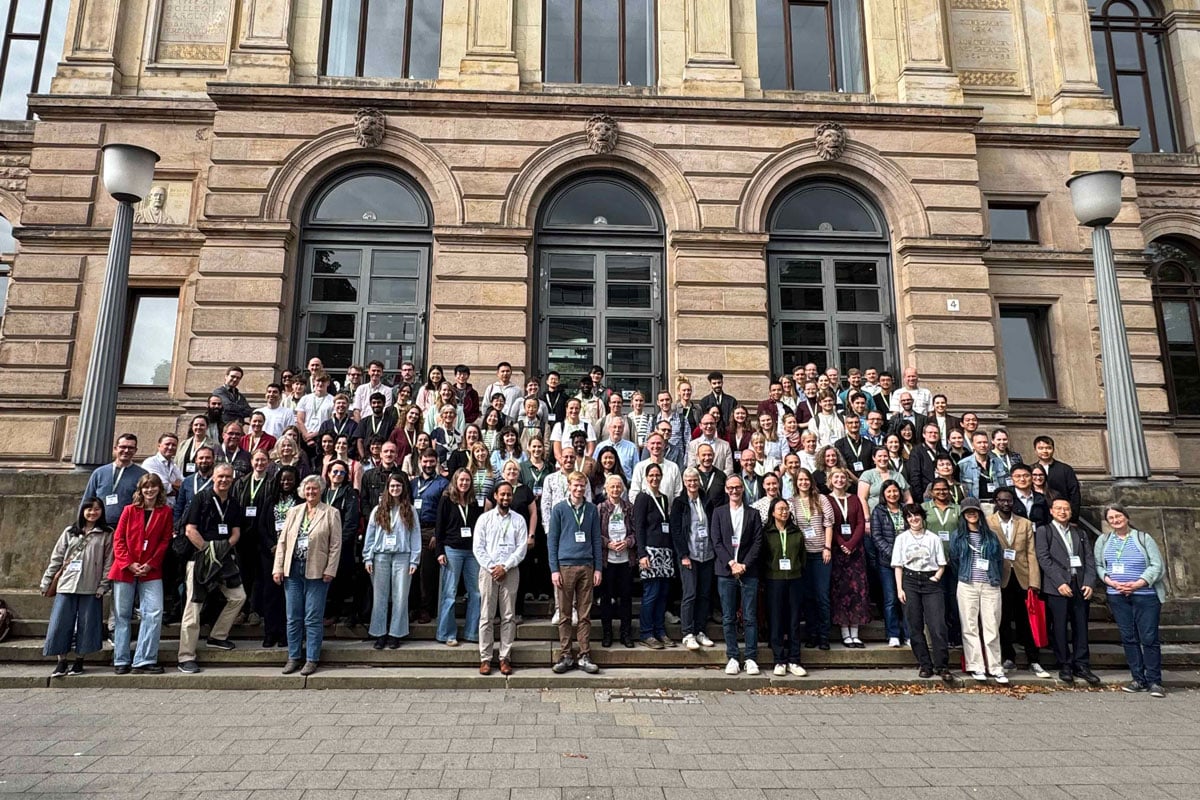
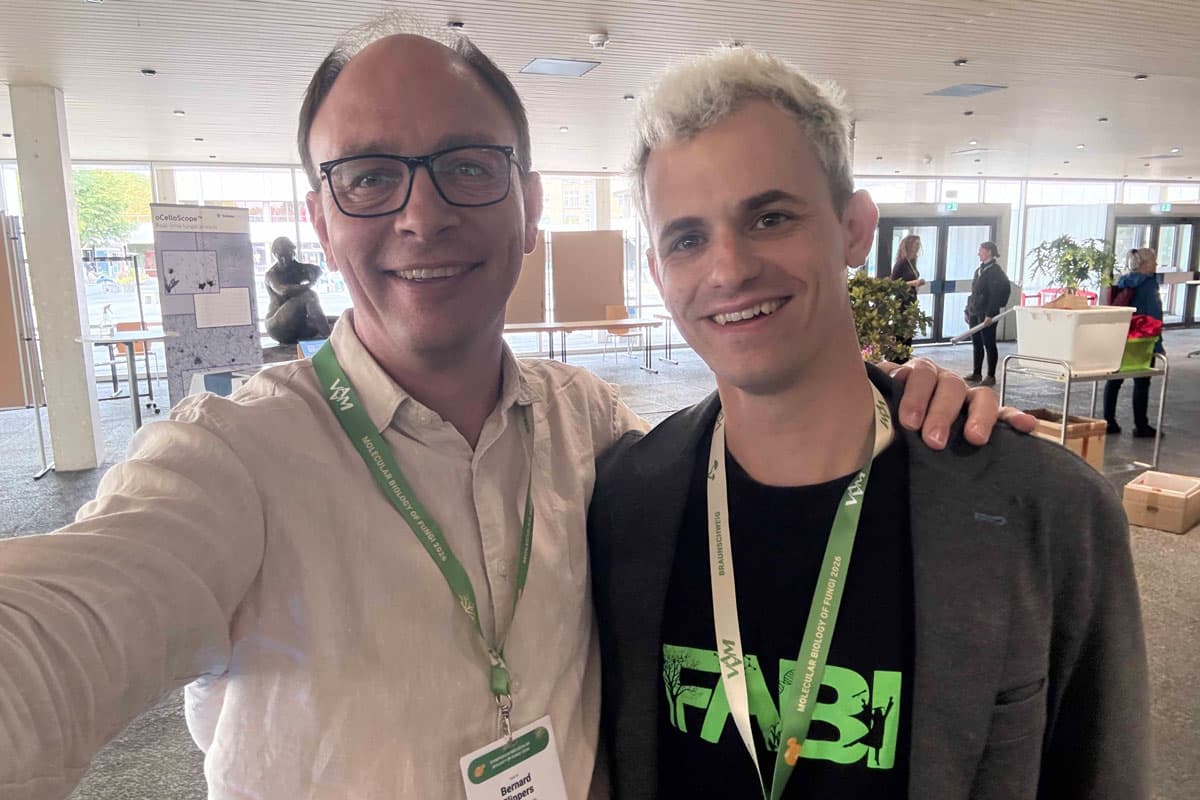
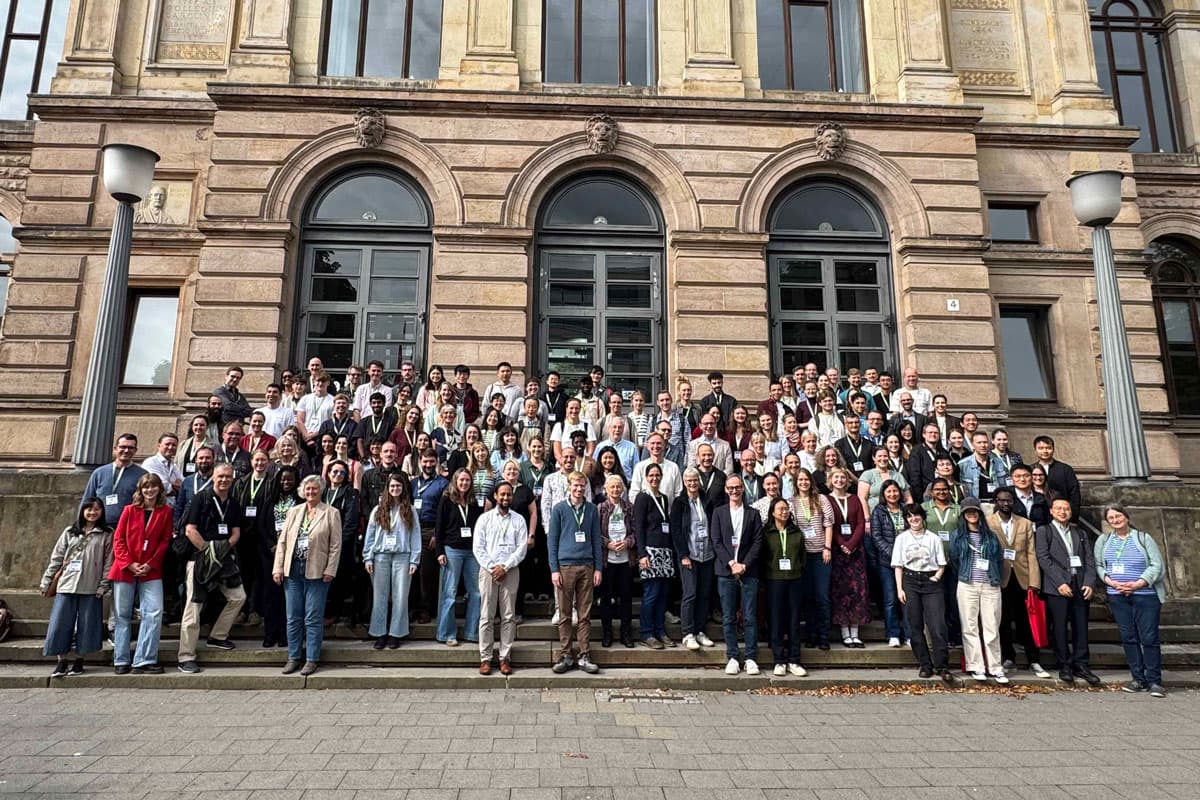
Professor Bernard Slippers was a keynote speaker at the Molecular Biology of Fungi Symposium, held at TU Braunschweig on 9-11 September 2026. The biennial meeting is organised by the VAAM specialist group Biology and Biotechnology of Fungi and the Fungal Genetics working group of the German Genetics Society. It has traditionally focused on basic fungal research, in recent years widened to include other mycological and ecological perspectives. His dinner talk asked what connects Alexander von Humboldt, forest health and AI. Bernard's answer was integration. AI now lets researchers ask questions about forests they could not ask before, by connecting and analysing at scale the data already collected across diverse fields. In the talk he referred to how Humboldt measured everything he could and drew it together in a single picture, as in his famous Naturgemälde (amongst many examples), leading to unique systemic insights. Since then, science has specialized increasingly, because no one could keep up with the flood of information. AI tools are now making integration cheaper again. That matters because dealing with the global forest health crisis is also an integration problem across different fields, sectors and borders. The tools will, however, not solve the crisis on their own, Bernard argued. It will take a mission from across the community, at the scale Humboldt envisioned. In an interview with TU Braunschweig during the visit, he stressed that collaboration between South Africa and Germany is not just a nice gesture, but a necessity, because the climate problems we face are global. The symposium fell during Bernard's sabbatical at TU Braunschweig, hosted by Prof. André Fleißner, and reflected the growing partnership between the Braunschweig group and FABI. Read more in the TU Braunschweig magazine.