




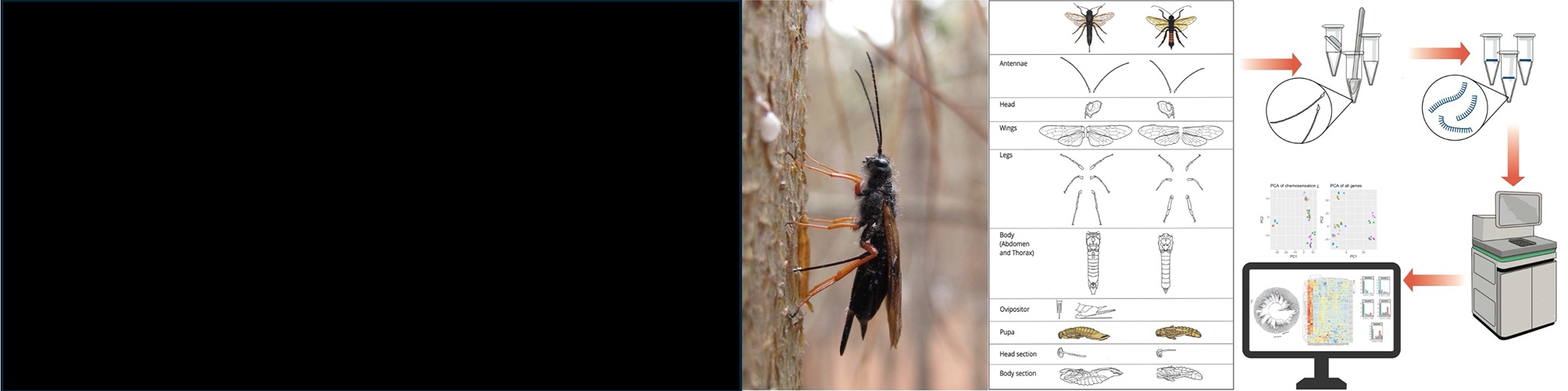
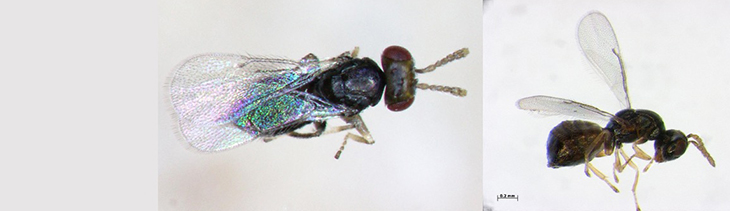
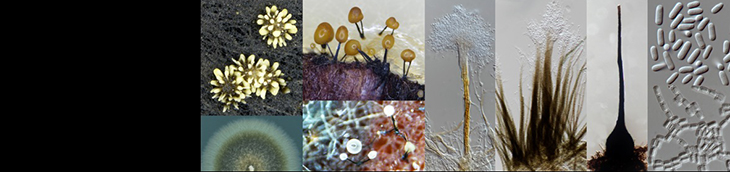
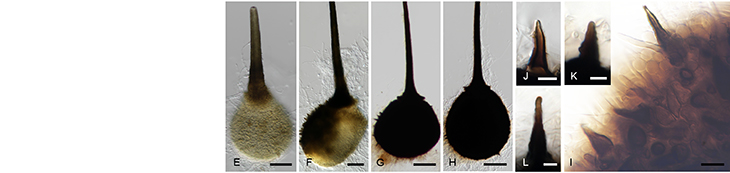
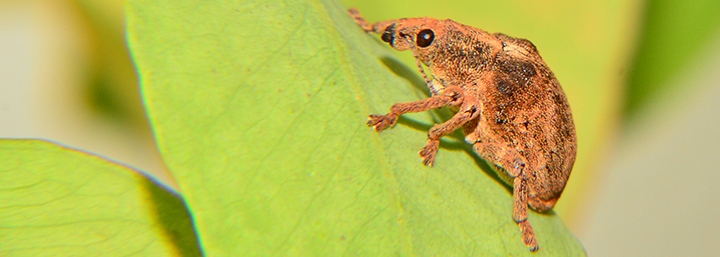
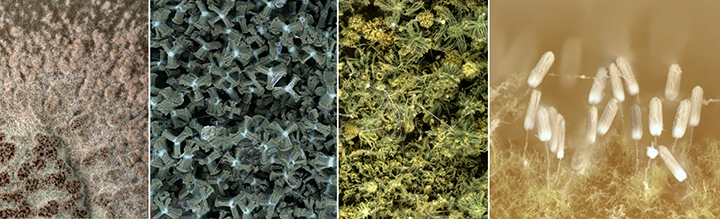
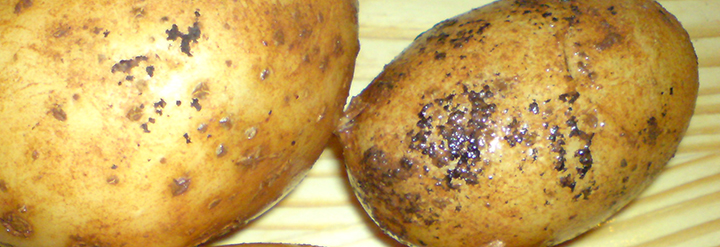
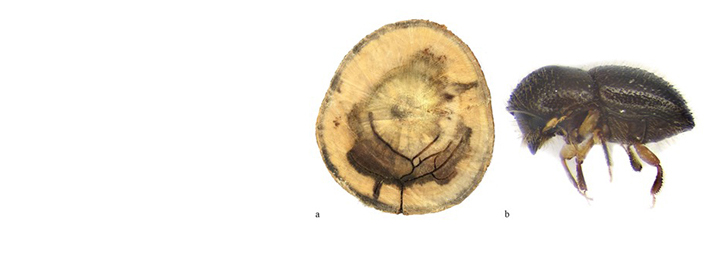
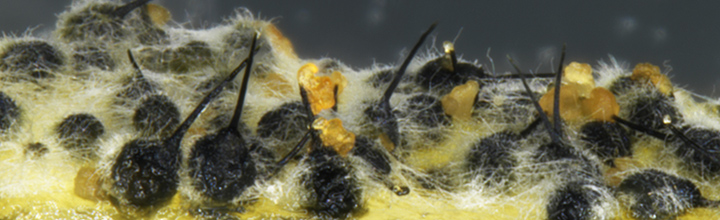




Forest tree species such as Eucalyptus and Pine are subjected to attack by various pests and pathogens during their life-time. Examples are the insect pest, Leptocybe invasa, the stem canker pathogen, Chrysoporthe austroafricana, the root rot pathogen, Phytophthora cinnamomi, and the pitch canker pathogen Fusarium circinatum. Disease incidence is exacerbated by climate change, which is predicted to make environments more favorable for pathogens and pests. "Host-jumping" from native hosts to forest plantations has been reported. Such threats are especially severe for clonally propagated tree species such as Eucalyptus as entire plantations could be lost due to susceptibility of a particular clone. Thus genotypes with improved resistance or tolerance are necessary as part of an integrated management strategy to curb losses due to pests and pathogens. It is with this vision that the Eucalyptus and Pine Pathogen Interactions programme was initiated. The research in our programme is aimed at understanding the plant defence mechanisms that exist in Eucalyptus and Pine trees which may be harnessed to improve its resistance capacity in future. We are currently dissecting the Eucalyptus defensome (or defence transcriptome) based on the recently released genome sequence of Eucalyptus grandis, coupled with data from high-throughput transcriptome technologies.
Collaboration:
- Tree Pathology Co-operative Programme
- Sappi and Mondi
On-going projects:
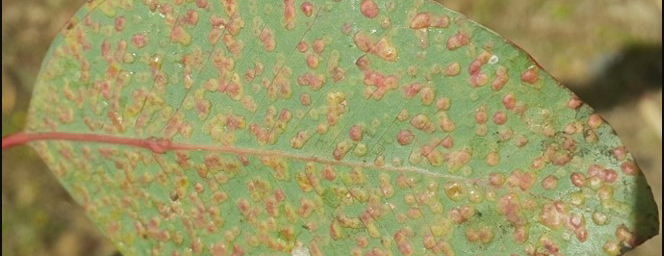
Projects undertaken by EPPI aim to (i) ascertain the molecular basis of disease responses in Eucalyptus to a canker pathogen Chrysoporthe austroafricana (ii) determine the molecular defence mechanisms of E. grandis against the gall wasp Leptocybe invasa and (iii) determine the effectiveness of induced resistance in Pinus patula against Fusarium circinatum. These pathosystems provide the biological platform to address key questions such as: "What is the molecular basis of tolerance and susceptibility?", "What are the signature defence responses to different types of pests and pathogens?", "What are the convergent defence responses in the host?" and "Which regulatory sequences and defence genes could be targeted for enhancing defence in the host?". This would provide a basis to implement biotechnology strategies to develop resistant families (seedling forestry) or clones (clonal forestry) in future.
